South Korea’s automobile exports are showing signs of slowing in 2026, while concerns over U.S. tariff pressure continue to grow.
Higher tariffs, weaker global demand, and changing production strategies are forcing Korean automakers and suppliers to reassess their export outlook.
The impact is not limited to Hyundai and Kia. It extends across parts suppliers, logistics, steel, batteries, and the broader manufacturing supply chain.
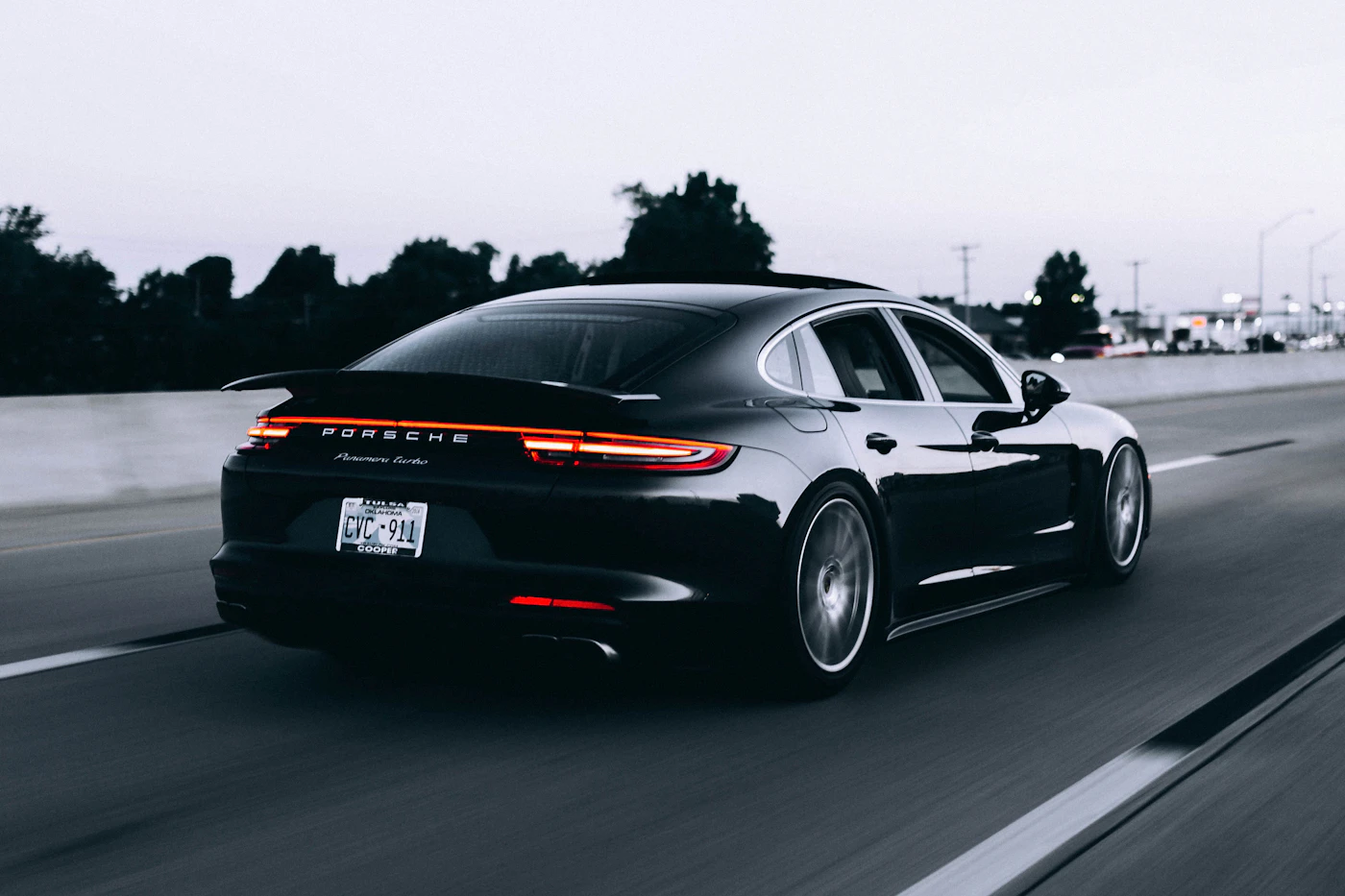
Korea’s auto export slowdown affects not only automakers but also suppliers, logistics companies, and regional manufacturing hubs across Asia.
1. Why Korea’s Auto Exports Are Slowing Down
South Korea’s automotive exports have remained one of the country’s major export pillars, but recent data suggests the pace is weakening.
Global demand uncertainty, price competition, and policy changes in major markets are putting pressure on export growth in 2026.
| Category | Recent Trend | Impact |
|---|---|---|
| Vehicle Exports | Growth slowing in 2026 | Pressure on overall exports |
| U.S. Tariffs | Higher policy uncertainty | Cost burden for automakers |
| Global Demand | Mixed by region | Export volatility increases |
| Supply Chain | Production shifts underway | Supplier pressure rises |
2. How U.S. Tariffs Affect Korean Automakers
The U.S. remains one of the most important overseas markets for Korean automakers. Any tariff-related change can directly affect pricing, margins, and sales competitiveness.
Higher tariff exposure may lead companies to absorb costs, raise vehicle prices, or shift more production to local U.S. facilities.
Tariff risk is not only a trade issue. It becomes a pricing, production, margin, and long-term investment issue for manufacturers.
| Area | Main Effect | Business Impact |
|---|---|---|
| Pricing | Vehicle prices may rise | Demand risk |
| Margins | Cost absorption pressure | Profitability weakens |
| Production | More local manufacturing | Investment increases |
| Exports | Lower shipment growth | Supply chain adjustment |
3. Hyundai and Kia Under Pressure
Hyundai and Kia continue to expand globally, but U.S. trade policy remains a critical variable for 2026.
Both companies are balancing export competitiveness with local production expansion, while also responding to EV demand changes and hybrid vehicle growth.
| Company | Main Focus | What Investors Watch |
|---|---|---|
| Hyundai | U.S. production expansion | Margins and export volume |
| Kia | SUV and hybrid demand | Pricing competitiveness |
| Suppliers | Parts delivery stability | Order visibility |
| Battery Makers | EV-related demand | North America strategy |
4. Why Parts Suppliers May Feel More Pressure
Automotive suppliers are often affected earlier than final vehicle sales data suggests. Export slowdown can reduce component orders across multiple tiers.
This includes plastic injection parts, metal stamping, electronics, molds, wiring, logistics, and packaging suppliers.
When vehicle exports slow, the effect spreads quickly across the manufacturing ecosystem—from Tier 1 suppliers to smaller industrial subcontractors.
| Supplier Segment | Possible Impact | What to Monitor |
|---|---|---|
| Electronics | Lower volume orders | OEM demand trend |
| Plastic Parts | Production adjustment | Factory utilization |
| Metal & Stamping | Slower new orders | Tooling demand |
| Logistics | Shipping fluctuation | Freight movement |
5. Why This Matters for Vietnam and Asia Supply Chains
Korean automakers and suppliers operate across Asia, including major production and sourcing activity in Vietnam.
Changes in U.S. tariffs or Korean export strategy may influence sourcing decisions, supplier allocation, and manufacturing investment throughout the region.
| Area | Regional Impact | Potential Outcome |
|---|---|---|
| Vietnam | Supplier base expansion opportunity | FDI increase possible |
| Korea | Export structure adjustment | Margin pressure |
| United States | Local production growth | Manufacturing relocation |
| ASEAN | Supply diversification | New sourcing routes |
6. What to Watch in the Second Half of 2026
Auto exports will likely depend on U.S. trade policy, consumer demand, EV adoption, and regional manufacturing decisions.
Investors and business operators should monitor tariffs, production plans, supplier orders, and export statistics together—not separately.
| Indicator | Why It Matters | Watchpoint |
|---|---|---|
| U.S. Tariff Policy | Direct export pricing effect | Trade policy updates |
| Export Volume | Shipment trend | Monthly trade data |
| Supplier Orders | Early demand signal | Purchase orders |
| Production Capacity | Long-term strategy | Regional factory plans |
This article is based on Korean trade data, automotive industry reports, major global media coverage on U.S. tariffs and vehicle exports, and public disclosures from leading Korean automakers and suppliers.
Key reference topics include Korea’s 2026 auto export outlook, U.S. tariff policy impact on Asian manufacturing, and changing global automotive supply chain strategy.
Final Thoughts
South Korea’s auto export slowdown is more than a short-term trade issue. It reflects a broader shift in global manufacturing and supply chain strategy.
Tariffs, production relocation, EV transition, and supplier restructuring are becoming closely connected.
For manufacturers, investors, and supply chain businesses, 2026 may be a year that reshapes how the Korean automotive industry competes globally.
VN BizLab Insight
This article is based on public industry reports and international economic coverage. It is intended for market analysis and business insight purposes only.