
Wellness travel is becoming one of the strongest lifestyle trends as travelers seek rest, balance, and healthier experiences.
Travel in 2026 is no longer only about sightseeing. More travelers are choosing trips that help them rest, recover, exercise, sleep better, eat healthier, and disconnect from daily stress.
This shift is creating strong demand for wellness resorts, spa retreats, yoga holidays, digital detox programs, nature-based travel, and health-focused accommodations.
Wellness travel is not luxury travel only. It is becoming a practical way for people to combine vacation, health, and mental recovery.
Why Wellness Travel Is Growing
Modern life is fast, connected, and often stressful. Many people spend long hours working on screens, managing deadlines, and staying connected through smartphones and social media.
As a result, vacations are increasingly viewed as a chance to recover physically and mentally. Travelers want more than photos. They want better sleep, cleaner food, quiet spaces, and meaningful personal time.
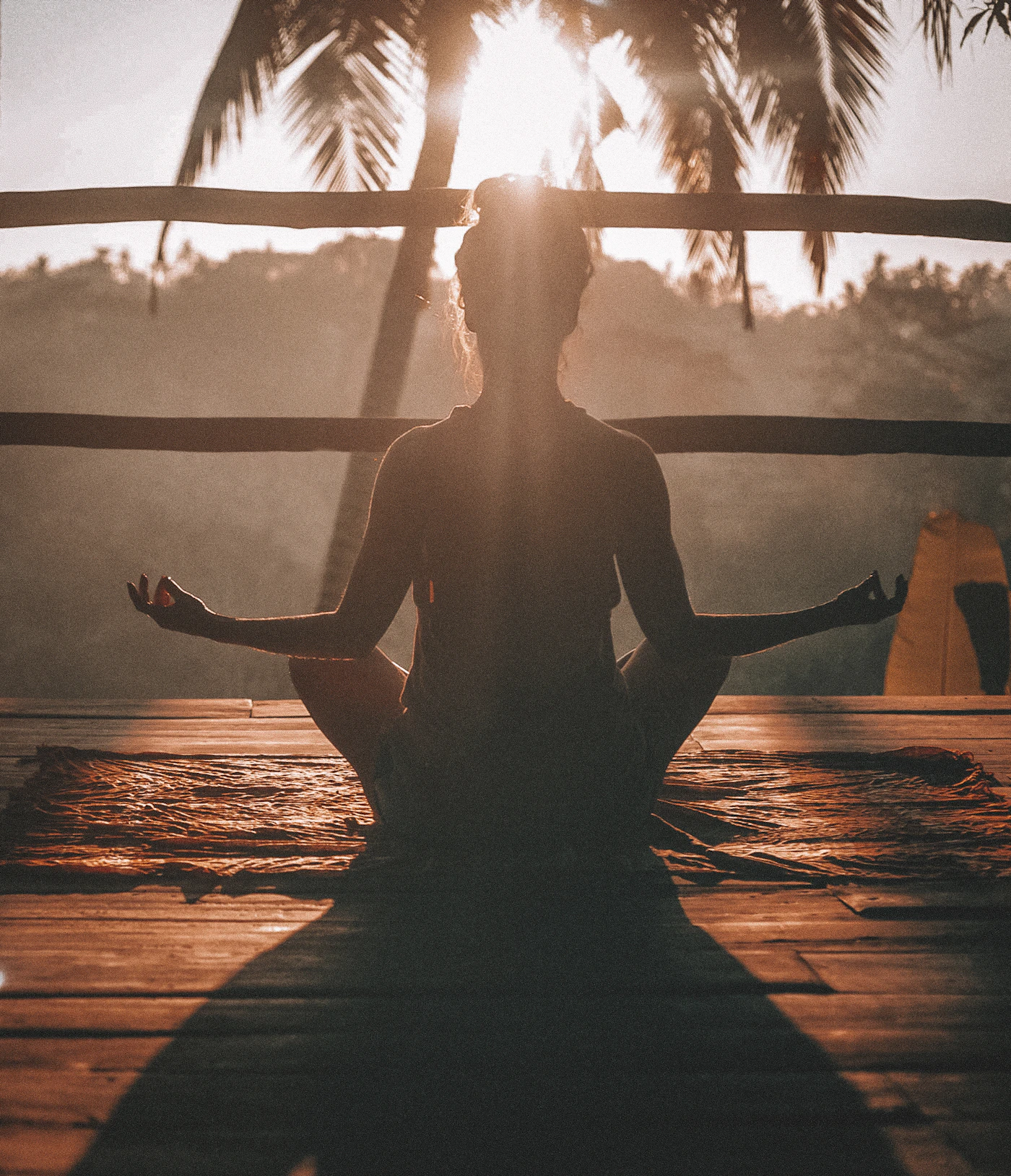
Yoga, meditation, and slow travel experiences are becoming popular parts of wellness-focused trips.
Popular Types of Wellness Travel
Wellness travel can take many forms. Some travelers prefer spa resorts, while others choose mountain retreats, beach stays, walking holidays, or quiet countryside accommodations.
| Wellness Travel Type | Main Benefit |
|---|---|
| Spa Retreats | Relaxation, body recovery, and stress relief. |
| Yoga Holidays | Flexibility, breathing, mindfulness, and balance. |
| Digital Detox Trips | Reduced screen time and improved mental clarity. |
| Nature Retreats | Fresh air, quiet surroundings, and emotional reset. |
| Healthy Food Travel | Better eating habits and local wellness cuisine. |
The best option depends on the traveler’s goal. Some people want rest, while others want movement, self-care, or a complete reset from routine.
What Travelers Expect From Wellness Trips
Wellness travelers usually look for comfort, calmness, and structure. They want destinations that support healthier daily habits instead of creating more stress.
- Quiet rooms and comfortable sleep environments.
- Healthy food options.
- Access to nature or open spaces.
- Spa, massage, or recovery services.
- Yoga, meditation, or light exercise programs.
- Less crowded locations.
- Simple schedules with enough free time.
A good wellness trip should not feel over-scheduled. Rest time is part of the travel experience, not an empty space in the itinerary.

Spa and recovery services remain core parts of many wellness travel programs.
Best Destinations for Wellness Travel
Wellness travel is growing worldwide, but some destinations are especially popular because they offer nature, affordability, good hospitality, and strong wellness infrastructure.
| Destination | Why Travelers Choose It |
|---|---|
| Vietnam | Beach resorts, mountain retreats, affordable wellness stays, and healthy local cuisine. |
| Thailand | Well-known spa culture, wellness resorts, and yoga programs. |
| Bali | Yoga retreats, nature stays, and slow lifestyle experiences. |
| Japan | Hot springs, quiet countryside travel, and traditional healing culture. |
| Portugal | Coastal wellness stays, walking routes, and relaxed lifestyle. |
For value-focused travelers, Southeast Asia remains attractive because wellness services are often more affordable than in Europe or North America.
How to Plan a Wellness Trip
Planning a wellness trip requires a slightly different mindset from planning a regular vacation. Instead of filling every hour with activities, travelers should define what kind of recovery they need.
- Decide whether the goal is rest, fitness, mental clarity, or healthy food.
- Choose a destination that matches the travel purpose.
- Check whether the hotel offers wellness facilities or programs.
- Avoid building an overly busy schedule.
- Plan enough sleep and free time.
- Prepare comfortable clothing and light luggage.
- Limit unnecessary screen time during the trip.
Before booking, ask one simple question: “Will this trip help me feel better after returning home?” If the answer is unclear, the itinerary may need to be simplified.
Nature-based travel is often one of the easiest ways to reduce stress and restore energy.
Common Wellness Travel Mistakes
Wellness travel can lose its value when it becomes too complicated or too expensive without clear purpose.
- Choosing a luxury resort without checking actual wellness programs.
- Planning too many activities in one day.
- Expecting instant transformation from a short trip.
- Ignoring sleep and recovery time.
- Spending too much on treatments that are not necessary.
- Using the trip mainly for social media content instead of rest.
A simple, quiet, well-planned trip can sometimes be more effective than an expensive package filled with activities.
Wellness Travel Checklist for 2026
- Define your wellness goal before choosing a destination.
- Check hotel reviews for noise, cleanliness, and sleep quality.
- Look for healthy meal options.
- Confirm spa, fitness, or yoga facilities in advance.
- Choose fewer activities and more recovery time.
- Prepare comfortable clothes and walking shoes.
- Set limits for smartphone and social media use.
- Keep the schedule flexible.
Final Thoughts
Wellness travel in 2026 reflects a broader lifestyle shift. People are no longer traveling only to escape daily life. They are traveling to improve how they feel, how they rest, and how they return to their routines.
The best wellness trips do not need to be complicated or expensive. A quiet hotel, healthy meals, nature, sleep, and a slower schedule can create real value.
The future of wellness travel is simple: better rest, better balance, and more meaningful travel choices.