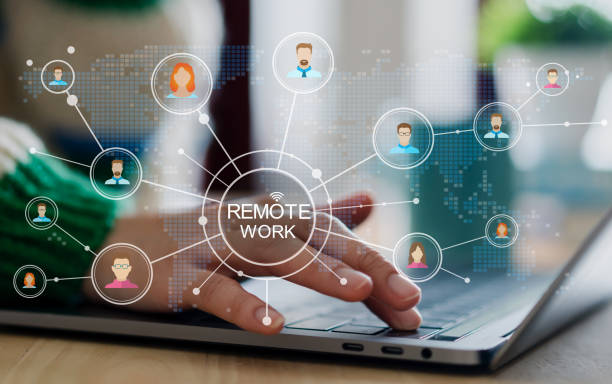
Global companies are moving beyond the simple debate of remote work versus office work.
The debate over remote work is not over. In 2026, global companies are still experimenting with return-to-office mandates, hybrid schedules, remote-first teams, and AI-powered collaboration tools.
Some executives argue that employees need to return to the office to rebuild culture, collaboration, and innovation. Others believe flexible work remains essential for attracting talent, improving focus, and retaining experienced employees.
Remote work is not disappearing. Instead, companies are becoming more selective. The future of work is likely to be hybrid, role-based, technology-enabled, and increasingly tied to performance outcomes rather than location alone.
Why the Return-to-Office Debate Is Still Growing
The return-to-office debate continues because companies are trying to solve several problems at once. They want productivity, collaboration, culture, innovation, employee retention, and cost control.
The challenge is that no single work model solves all of these problems. Full-time office work may improve visibility and spontaneous collaboration, but it can reduce flexibility and increase commuting stress. Fully remote work may improve focus and access to talent, but it can make culture-building and informal learning more difficult.
Hybrid work sits between these two models, but it requires more intentional management. Without clear rules, hybrid work can create confusion, meeting overload, coordination problems, and unequal experiences between office-based and remote employees.
| Work Model | Main Advantage | Main Risk |
|---|---|---|
| Full-time office | In-person collaboration | Lower flexibility |
| Hybrid work | Balance between focus and collaboration | Coordination complexity |
| Fully remote | Talent access and flexibility | Weaker informal connection |
Remote Work Is Not Ending — It Is Becoming More Selective
The most important trend in 2026 is not the end of remote work. It is the end of one-size-fits-all remote work.
Companies are increasingly deciding work policies by function, role, seniority, team workflow, customer needs, security requirements, and performance expectations. A software engineer, sales manager, finance analyst, factory supervisor, and executive leadership team may not need the same work model.
The future of work is not remote versus office. It is matching the work model to the type of work being performed.

The strongest hybrid models are designed around work outcomes, not only employee location.
What Global Companies Are Actually Doing
Global companies are taking different paths. Some banks, technology firms, and professional services companies are tightening office attendance. Others continue to support hybrid work because they see it as an advantage in talent retention.
Reuters reported in 2025 that Citi continued to support hybrid work while many major financial institutions pushed employees back toward the office. That contrast shows the larger trend: companies are not moving in one unified direction. Workplace strategy is becoming a competitive choice.
Microsoft’s 2026 Work Trend Index also shows that the nature of work is changing as AI and agents become more integrated into daily workflows. This means location policy is now connected to a broader question: how should people, AI tools, and teams work together most effectively?
| Company Direction | Strategic Reason |
|---|---|
| Stricter office attendance | Culture, learning, collaboration, and visibility. |
| Hybrid work retention | Talent attraction, flexibility, and retention. |
| Remote-first teams | Access to specialized talent across locations. |
| Role-based flexibility | Different work models for different business needs. |
Why Hybrid Work Became the Default Compromise
Hybrid work remains attractive because it offers both flexibility and structure. Employees gain time for focused work at home, while companies still preserve office time for collaboration, mentoring, client meetings, and team alignment.
PwC has described hybrid work as part of a broader shift in how organizations define the future workplace. The key point is that companies cannot simply expect employees to return to the old five-day office model without rethinking what the office is for.
A well-designed hybrid model treats office time as intentional. Employees come together for work that benefits from physical presence, not because presence itself is the only measure of productivity.
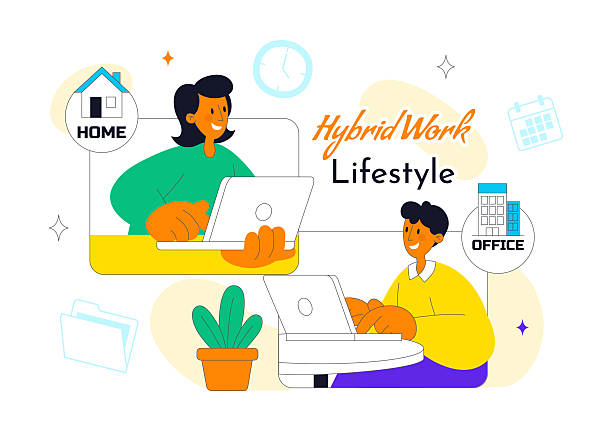
Hybrid work succeeds when office days are used for collaboration, decision-making, and relationship building.
The Office Is Being Redefined
The modern office is no longer just a place where employees sit at desks and answer emails. If individual work can be done anywhere, the office must provide a clearer purpose.
In many organizations, the office is becoming a hub for collaboration, onboarding, coaching, innovation sessions, client meetings, culture-building, and leadership communication.
Return-to-office policies fail when they bring employees back without changing the purpose of the office.
| Old Office Role | New Office Role |
|---|---|
| Daily desk work | Collaboration and problem-solving. |
| Manager visibility | Team alignment and coaching. |
| Routine meetings | High-value decision sessions. |
| Fixed attendance | Purpose-driven presence. |
AI Is Changing the Remote Work Debate
AI is making the workplace debate more complex. AI copilots, agents, workflow automation, and productivity tools are changing how knowledge work is performed.
If AI can summarize meetings, draft reports, analyze documents, generate presentations, and coordinate tasks, then location becomes less important for some types of work. However, AI also increases the need for coordination, judgment, governance, and trust.
This means companies must think beyond location. The real question is how to design work when human employees and AI systems are both part of the operating model.
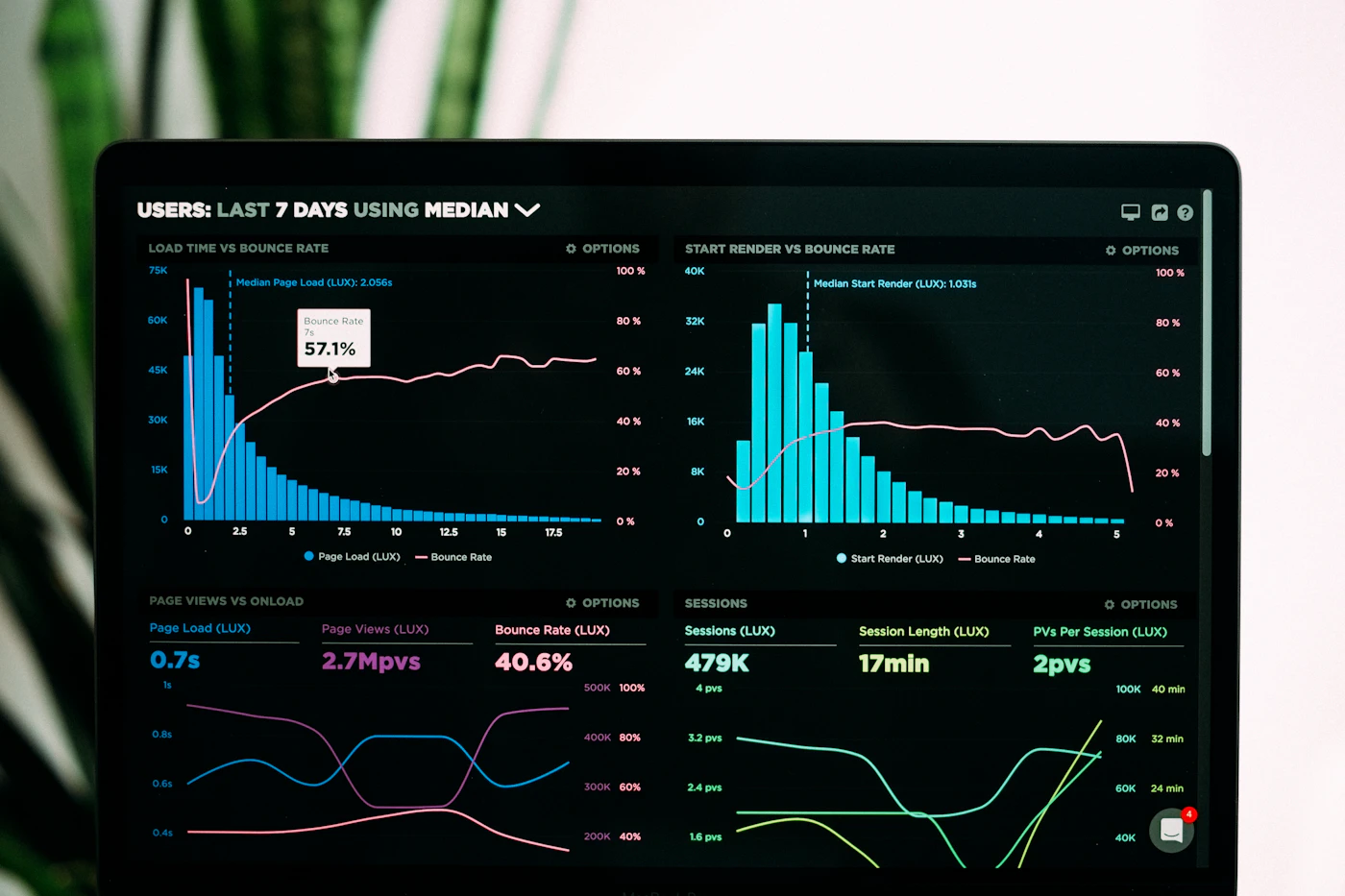
AI tools are changing how teams communicate, document work, and measure productivity.
AI does not automatically make remote work better or worse. It changes the design requirements for every work model.
The Productivity Question Is Still Unresolved
Executives often support office work because they believe collaboration and productivity improve when employees are physically together. Employees often prefer remote or hybrid work because they experience fewer distractions, shorter commutes, and better work-life balance.
Both sides can be right depending on the type of work. Deep individual work may improve outside the office. Complex team problem-solving may improve in person. Routine status meetings may not require physical presence at all.
The mistake is treating productivity as a single number. Productivity depends on task type, team maturity, management quality, tools, communication rhythm, and accountability.
| Work Type | Best-Fit Model |
|---|---|
| Focused analysis | Remote or quiet hybrid work. |
| Creative brainstorming | In-person or structured hybrid sessions. |
| Client workshops | Often in-person or high-quality video collaboration. |
| Routine updates | Remote asynchronous communication. |
| Onboarding and mentoring | Hybrid with intentional office time. |
The Risks of Poorly Designed Hybrid Work
Hybrid work can fail when companies do not define expectations clearly. Employees may not know which days matter, which meetings require physical presence, or how performance will be measured.
Poor hybrid design can also create inequality. Employees who are more visible in the office may receive more informal access to leaders, while remote employees may feel excluded from conversations and opportunities.
- Unclear attendance rules.
- Too many meetings across locations.
- Unequal access to managers and opportunities.
- Weak onboarding for new employees.
- Difficulty building trust in distributed teams.
- Performance measurement based on visibility rather than outcomes.
Hybrid work requires stronger management, not weaker management.

Managers play a central role in making hybrid work fair, productive, and sustainable.
What Employees Want in 2026
Employee expectations have changed permanently. Many workers now view flexibility as part of a modern employment relationship rather than a temporary benefit.
SurveyMonkey’s 2026 remote and hybrid work research found that many workers continue to prefer flexible arrangements, with commute time, wellbeing, productivity, and focus among the major reasons people value remote options.
For companies competing for skilled talent, workplace flexibility can influence hiring, retention, and employer brand.
Employees are not only asking where they work. They are asking whether the company trusts them to work effectively.
What Leaders Should Measure Instead of Office Attendance
Office attendance is easy to measure, but it is not always the best indicator of performance. Companies that focus only on presence may miss the deeper question of whether teams are producing meaningful outcomes.
The better approach is to measure results, collaboration quality, project speed, customer outcomes, innovation, employee engagement, and execution discipline.
| Weak Metric | Better Metric |
|---|---|
| Days in office | Quality of outcomes. |
| Meeting volume | Decision speed. |
| Online activity | Project progress. |
| Visibility to managers | Accountability and delivery. |
Executive Checklist for 2026
| Area | Recommended Action |
|---|---|
| Work Model | Define policies by role, function, and work type. |
| Office Purpose | Use office time for collaboration, mentoring, and alignment. |
| Productivity | Measure outcomes rather than physical presence. |
| Management | Train managers to lead distributed and hybrid teams. |
| Technology | Use AI and collaboration tools to reduce coordination friction. |
| Culture | Build trust, transparency, and equal access to opportunities. |
Final Thoughts
Remote work is not ending. The more accurate conclusion is that remote work is becoming more strategic, more selective, and more integrated with hybrid operating models.
In 2026, the winning companies will not be those that simply force employees back or allow full flexibility without structure. They will be the companies that design work intentionally around productivity, collaboration, talent, culture, and technology.
The future of work is not a place. It is an operating model.
VN BizLab EN