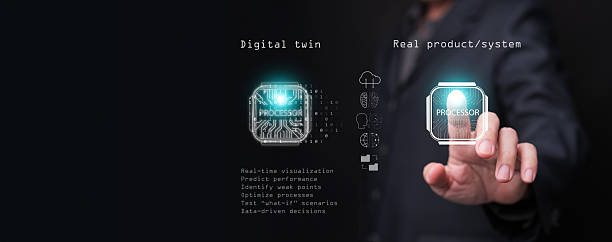
Digital twins are becoming a core technology for manufacturers that want better visibility, faster decisions, and more resilient operations.
Manufacturing is entering a new phase of digital transformation. Companies are no longer using technology only to automate machines or collect production data. They are increasingly building virtual models of factories, products, equipment, and supply chains to understand how operations behave in real time.
This technology is known as a digital twin. In 2026, digital twins are moving from experimental innovation projects into practical business tools for manufacturers, logistics companies, industrial planners, and executives.
A digital twin is a virtual representation of a physical asset, process, factory, or supply chain. When connected to real-time data, it allows companies to simulate scenarios, predict problems, improve performance, and make faster decisions.
What Is a Digital Twin?
A digital twin is a virtual model that mirrors a real-world object or system. In manufacturing, this may include a machine, production line, factory, warehouse, product, or supply chain network.
The digital twin receives data from sensors, machines, enterprise systems, quality records, logistics platforms, and other sources. This makes it possible to analyze how the physical system is performing and test potential changes before applying them in the real world.
| Digital Twin Type | Example Use |
|---|---|
| Asset Twin | Monitoring a specific machine or equipment unit. |
| Process Twin | Optimizing a production line or workflow. |
| Factory Twin | Simulating an entire manufacturing site. |
| Supply Chain Twin | Testing logistics, inventory, and sourcing scenarios. |
Why Digital Twins Matter in 2026
Digital twins matter because industrial operations are becoming harder to manage with traditional tools alone. Manufacturers face volatile demand, higher energy costs, labor shortages, quality pressure, supply chain disruptions, and faster product cycles.
In this environment, leaders need better visibility and faster decisions. Gartner describes digital supply chain twins as an important vision for organizations that want to improve visibility, decision quality, and resilience. McKinsey also notes that supply chain digital twins can help organizations balance cost, speed, and sustainability.
Digital twins help companies move from reactive management to predictive management. Instead of waiting for problems to happen, companies can simulate risk and prepare responses earlier.

Modern factories are increasingly using data, sensors, automation, and simulation to improve operational performance.
From Simulation to Real-Time Decision-Making
Digital twins are not simply 3D models. A basic simulation may show how a factory layout looks, but a digital twin can connect the model to live or near-real-time data.
This means managers can monitor current performance, test different scenarios, and evaluate possible decisions before making physical changes.
| Traditional Approach | Digital Twin Approach |
|---|---|
| Review past production reports | Monitor live production conditions. |
| Fix problems after downtime | Predict failures before downtime occurs. |
| Change layouts through trial and error | Simulate layout changes before implementation. |
| Plan supply chains with static assumptions | Test disruption and demand scenarios dynamically. |
How Digital Twins Improve Factory Planning
Factory planning is one of the strongest use cases for digital twins. Before building or modifying a production line, companies can simulate equipment placement, material flow, worker movement, bottlenecks, safety risks, and output capacity.
This reduces the risk of expensive layout mistakes. It also allows teams to compare multiple scenarios before committing capital expenditure.
A digital twin can help manufacturers test operational decisions in a virtual environment before spending money in the physical environment.
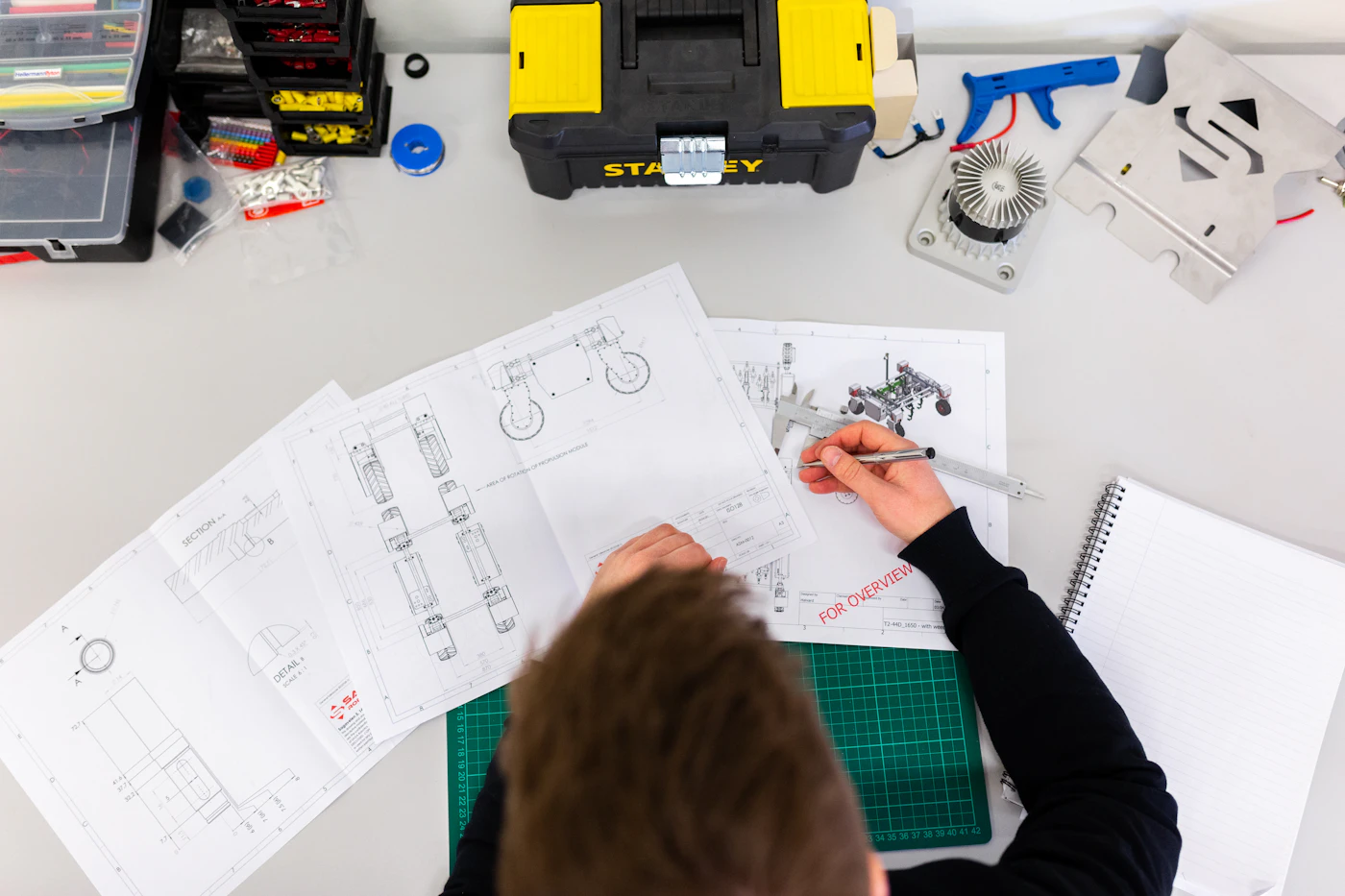
Digital twins can support layout planning, capacity analysis, and equipment optimization before physical changes are made.
Predictive Maintenance: One of the Clearest Business Cases
Predictive maintenance is one of the most practical applications of digital twin technology. By monitoring equipment condition, vibration, temperature, energy use, and operating patterns, companies can identify early signs of failure.
Instead of relying only on scheduled maintenance or emergency repairs, manufacturers can use digital twins to plan maintenance at the right time.
| Maintenance Model | Business Result |
|---|---|
| Reactive maintenance | Repairs after breakdowns. |
| Scheduled maintenance | Repairs based on fixed intervals. |
| Predictive maintenance | Repairs based on actual condition and risk signals. |
This can reduce downtime, improve machine utilization, extend equipment life, and lower emergency repair costs.
Digital Twins and Supply Chain Resilience
Digital twins are also becoming important in supply chain management. A supply chain twin can model suppliers, factories, warehouses, transportation routes, inventory levels, and customer demand.
This helps companies test what might happen if a supplier fails, a port slows down, tariffs change, freight costs rise, or demand suddenly shifts.

Supply chain twins help companies test disruption scenarios and improve resilience.
A supply chain digital twin is valuable because it allows leaders to ask “what if” questions before disruption becomes a financial problem.
The Industrial Metaverse Is Becoming Practical
The consumer version of the metaverse has lost much of its early excitement. However, the industrial version is becoming more practical.
Manufacturers are using simulation, 3D modeling, augmented reality, robotics training, and digital twins to design factories, train workers, improve safety, and test automation systems.
This is why many executives now view digital twins as part of a broader industrial metaverse: a connected digital environment where physical operations can be modeled, tested, and optimized.
| Industrial Metaverse Component | Manufacturing Use |
|---|---|
| Digital twins | Virtual models of assets, factories, and supply chains. |
| AI analytics | Prediction, optimization, and anomaly detection. |
| Robotics simulation | Testing robotic movement before deployment. |
| Augmented reality | Training, inspection, and maintenance support. |
Why Implementation Is Difficult
Digital twins can create significant value, but implementation is not simple. Many companies struggle because their data is fragmented across machines, departments, suppliers, and software systems.
A digital twin is only as useful as the data and operating model behind it. If data is incomplete, delayed, inaccurate, or poorly structured, the twin may produce misleading results.
The biggest barrier to digital twin success is often not the technology itself. It is data readiness, process discipline, and organizational ownership.
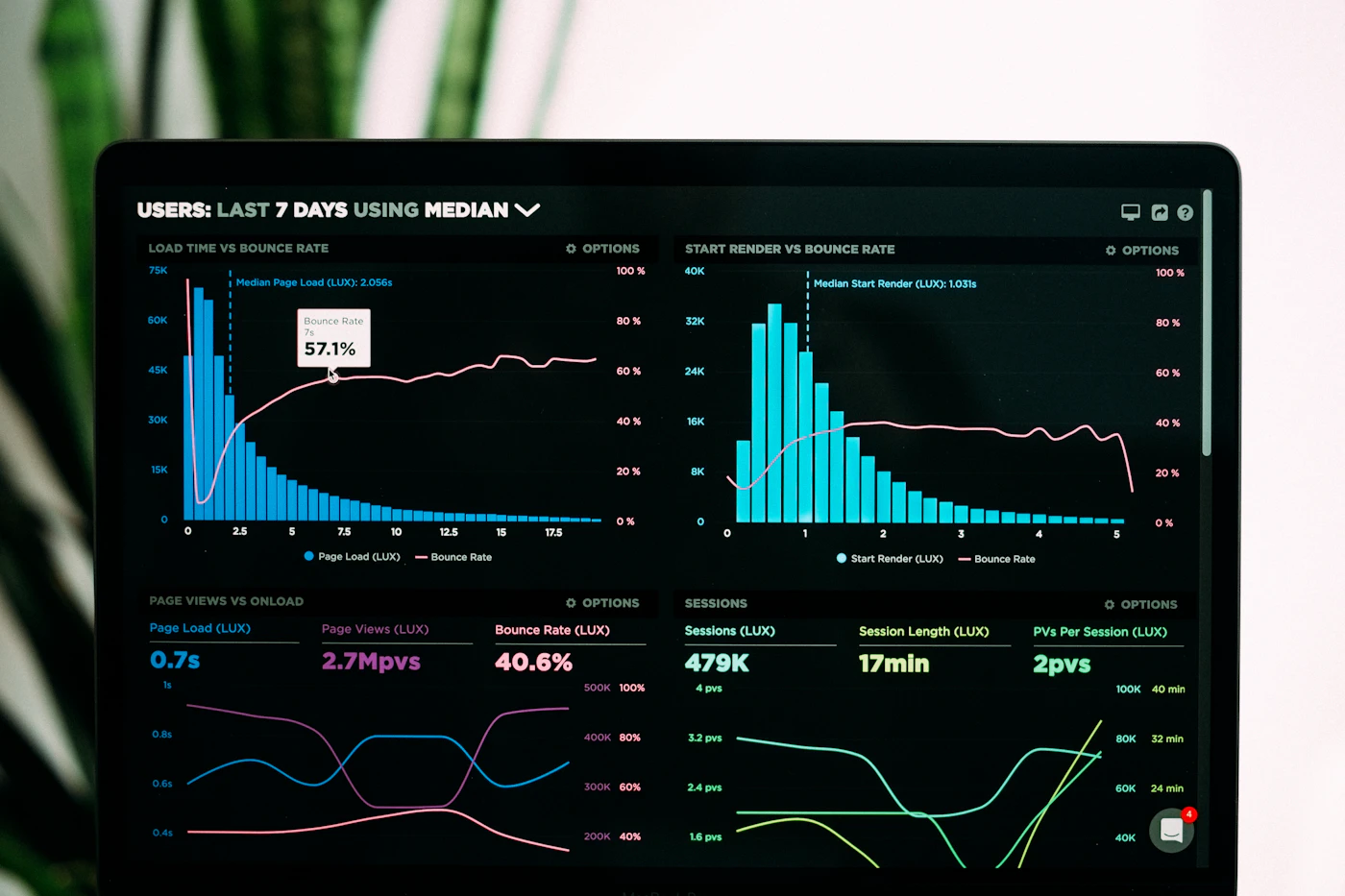
Digital twin projects require reliable data, clear ownership, and strong operational discipline.
How Executives Should Start
Companies do not need to build a full digital twin of the entire enterprise immediately. The best approach is often to start with one high-value use case.
This could be a critical production line, expensive equipment, a warehouse network, or a high-risk supply chain route.
| Starting Point | Why It Works |
|---|---|
| Critical machine | Clear maintenance and downtime benefits. |
| Production bottleneck | Direct impact on throughput. |
| Factory layout | Supports capital planning and efficiency improvement. |
| Supply chain route | Improves disruption planning and logistics resilience. |
Executive Checklist for 2026
| Area | Recommended Action |
|---|---|
| Business Case | Start with a measurable operational problem. |
| Data | Check data availability, accuracy, and integration readiness. |
| Ownership | Assign responsibility across operations, IT, and finance. |
| Use Case | Prioritize downtime, bottlenecks, quality, or supply chain risk. |
| Scaling | Expand only after proving measurable value. |
Final Thoughts
Digital twins are becoming one of the most important technologies in modern manufacturing. They help companies understand operations more clearly, test decisions before implementation, reduce downtime, improve planning, and strengthen supply chain resilience.
However, digital twins are not magic software. They require clean data, operational discipline, strong leadership, and a clear business case.
The companies that succeed will not be those that build the most impressive virtual models. They will be the companies that use digital twins to make better decisions in the real world.
VN BizLab EN