
Global companies are shifting from cost-focused supply chains to resilience-focused operating models.
For decades, supply chain strategy was built around one dominant objective: reduce cost. Companies searched for the lowest-cost suppliers, optimized inventory levels, outsourced production, and built highly efficient global networks.
That model delivered strong margins in stable times. But in 2026, global trade is no longer operating in a stable environment. Tariffs, geopolitical tensions, shipping disruptions, inflation, extreme weather, supplier concentration, and technology dependence are forcing executives to rethink what a successful supply chain should look like.
In 2026, the best supply chains are not necessarily the cheapest. They are the ones that can continue operating when trade routes shift, suppliers fail, ports slow down, tariffs change, or demand suddenly moves.
Why Cost Efficiency Is No Longer Enough
Traditional supply chain management rewarded efficiency. Lean inventories, single-source suppliers, long-distance manufacturing, and tightly optimized logistics networks helped companies reduce costs.
However, the same practices that made supply chains efficient also made them vulnerable. When one supplier, one port, one country, or one logistics route fails, the entire system can be disrupted.
| Old Priority | 2026 Reality |
|---|---|
| Lowest unit cost | Total risk-adjusted cost matters more. |
| Single-source efficiency | Supplier diversification is becoming essential. |
| Minimal inventory | Strategic buffers are returning. |
| Long global chains | Regional and flexible networks are gaining attention. |
The new question is no longer “What is the cheapest option?” It is “What is the option that keeps the business running under stress?”
Supply Chain Disruption Has Become an Enterprise Risk
Supply chain disruption is no longer treated as a logistics issue only. It has become a board-level business risk that affects revenue, working capital, customer trust, production continuity, and corporate strategy.
A 2026 Thomson Reuters report noted that supply chain management has become a dominant strategic priority among trade professionals, with disruptions increasingly viewed as enterprise risk rather than day-to-day logistics. Tariffs, customs delays, supplier reliability, and cost increases are now directly connected to business competitiveness.
Supply chain resilience is not only about avoiding disruption. It is about protecting revenue, customer relationships, operating margins, and strategic flexibility.

Shipping disruptions, tariffs, and supplier risks are forcing companies to rethink global logistics strategy.
The New Definition of Supply Chain Resilience
Supply chain resilience means the ability to anticipate, absorb, respond to, and recover from disruption while continuing to serve customers.
A resilient supply chain is not simply a supply chain with backup suppliers. It is a system designed around visibility, flexibility, speed, risk intelligence, and decision-making discipline.
| Resilience Element | Business Purpose |
|---|---|
| Supplier diversification | Reduce dependence on one source or region. |
| Inventory strategy | Protect critical materials and components. |
| Real-time visibility | Detect risks before they become major disruptions. |
| Scenario planning | Prepare responses for tariffs, delays, shortages, and demand shocks. |
| Regional flexibility | Move production or sourcing closer to key markets when needed. |
Why Companies Are Diversifying Suppliers
Supplier diversification is one of the most visible changes in global supply chain strategy. Companies are reducing dependence on single-country sourcing and building multi-region supplier networks.
This does not always mean abandoning existing suppliers. In many cases, companies keep their core suppliers while adding secondary sources in other countries or regions.
Supplier diversification is not a political slogan. It is a practical insurance policy against disruption, tariffs, capacity shortages, and geopolitical uncertainty.
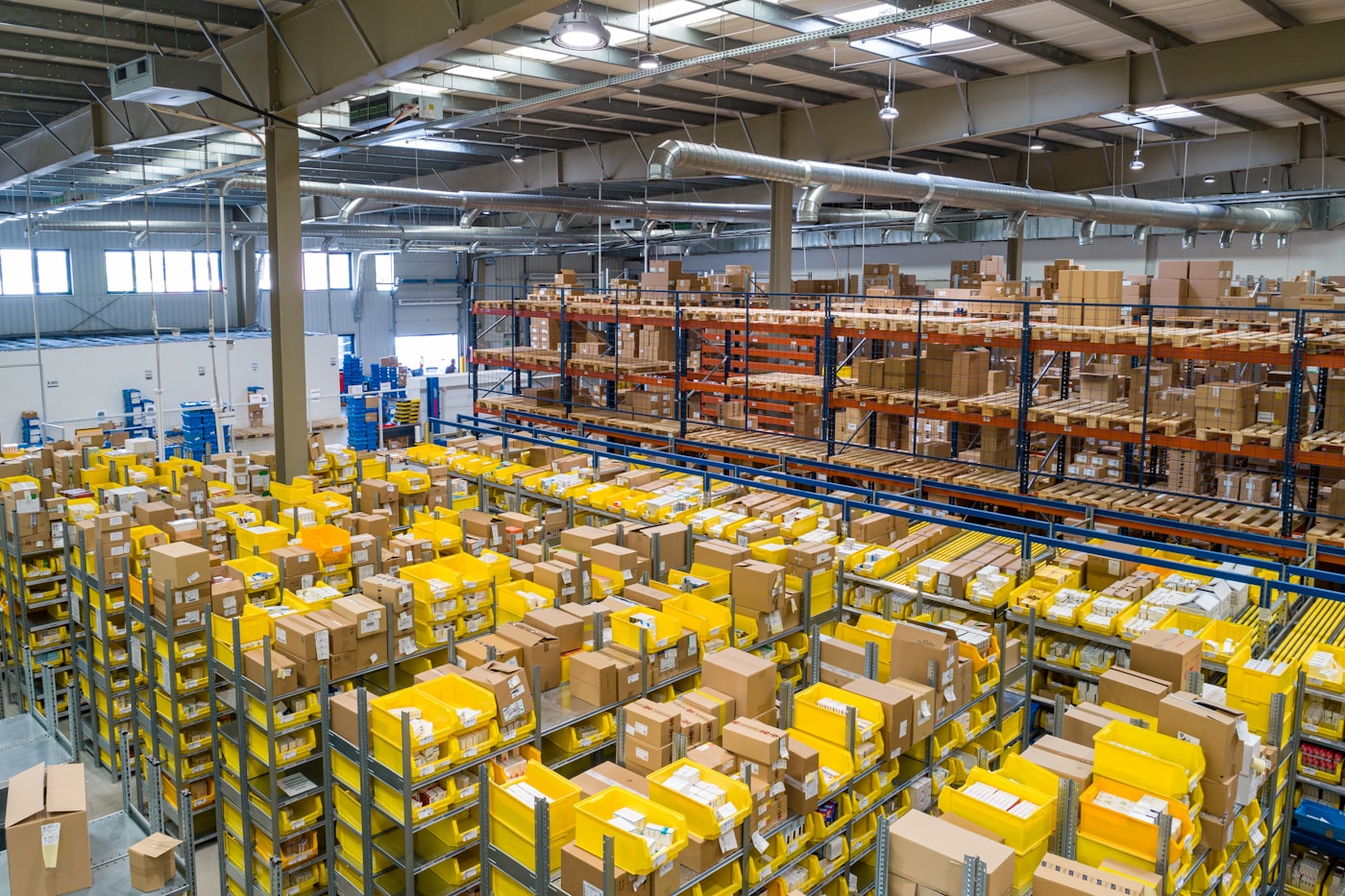
Supplier diversification gives companies more options when disruption affects one market or logistics route.
Nearshoring and Regionalization Are Gaining Momentum
Nearshoring and regional manufacturing are becoming more attractive as companies try to reduce long-distance logistics risk and improve responsiveness to demand.
This trend is not about bringing every process back home. Full reshoring can be expensive and may even reduce flexibility. Instead, many companies are building more balanced networks that combine global scale with regional responsiveness.
| Strategy | Best Use Case |
|---|---|
| Global sourcing | Cost efficiency and access to specialized suppliers. |
| Nearshoring | Faster response to regional demand and lower logistics risk. |
| Dual sourcing | Reducing dependence on one supplier or country. |
| Strategic inventory | Protecting critical components during disruption. |
The most resilient companies are not choosing between globalization and localization. They are designing networks that can shift when market conditions change.
AI and Real-Time Data Are Changing Supply Chain Decisions
Technology is becoming central to resilience. AI, automation, predictive analytics, digital twins, and real-time dashboards help companies identify risks earlier and make faster decisions.
PwC’s 2026 Digital Trends in Operations Survey highlights how supply chain and operations leaders increasingly rely on AI automation and real-time data for decision-making. It also notes that automation is shifting employees from routine tasks toward analytical and supervisory roles.

AI and real-time data help companies move from reactive supply chain management to predictive decision-making.
Resilience depends on visibility. Companies cannot manage risks they cannot see.
The Hidden Cost of Over-Optimization
Over-optimized supply chains often look efficient during normal periods but become fragile during disruption. A company may save money by reducing inventory, relying on a single supplier, or using one logistics route, but those savings can disappear quickly when disruption occurs.
In many industries, the cost of being unable to deliver products is far greater than the cost of maintaining backup capacity.
| Optimization Decision | Potential Hidden Risk |
|---|---|
| Lowest-cost supplier | High dependency risk. |
| Minimal safety stock | Production stoppage risk. |
| Single shipping route | Delay and freight cost exposure. |
| Limited supplier visibility | Late detection of disruption. |
Resilience Does Not Mean Abandoning Cost Discipline
A resilient supply chain should not ignore cost. The objective is not to build an expensive system with unnecessary redundancy everywhere.
The objective is to understand which parts of the supply chain are critical, where disruption would cause the greatest damage, and where investment in backup options creates the highest strategic value.
The goal is not maximum redundancy. The goal is smart resilience: targeted flexibility where disruption would hurt the business most.

Manufacturers are balancing cost, speed, reliability, and risk in a more complex operating environment.
Executive Checklist for 2026
| Area | Recommended Action |
|---|---|
| Suppliers | Identify critical single-source dependencies. |
| Inventory | Build targeted buffers for high-risk materials. |
| Data | Improve real-time visibility across suppliers and logistics. |
| Logistics | Prepare alternative transport routes and carriers. |
| Governance | Make supply chain risk a board-level agenda item. |
| Technology | Use AI and analytics to detect risks earlier. |
Final Thoughts
The global supply chain conversation has changed. Cost efficiency still matters, but resilience has become a strategic requirement.
In 2026, companies that rely only on the cheapest suppliers and leanest inventories may look efficient on paper but remain exposed to disruption. The stronger companies will be those that understand total risk, diversify intelligently, use better data, and build flexibility into their operating model.
The future of supply chain strategy is not cost versus resilience. It is cost discipline combined with resilience by design.
VN BizLab EN